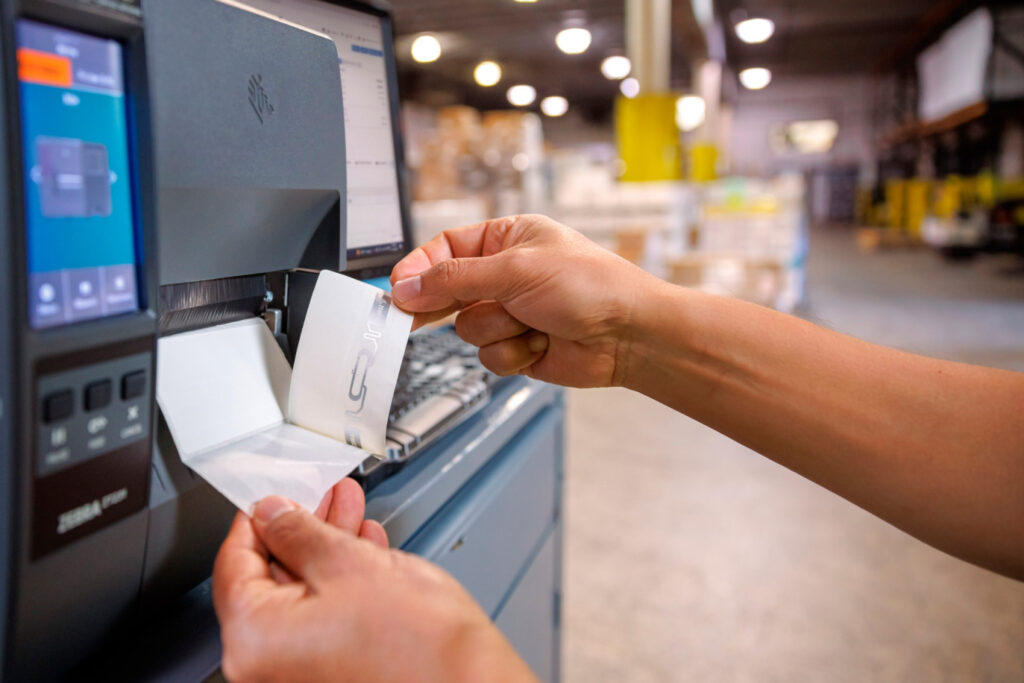
In today’s fast-paced world, businesses are looking for ways to improve efficiency, accuracy, and security in their operations. One technology making a huge impact is RFID labels. These smart labels go beyond traditional barcodes, offering real-time tracking, improved inventory management, and enhanced supply chain visibility.
What Are RFID Labels?
RFID labels (Radio Frequency Identification labels) are tags embedded with a small chip and antenna that use radio waves to transmit data. Unlike traditional barcodes, they do not require line-of-sight scanning. This means they can be read from a distance, through packaging, and even in bulk.
An RFID label typically contains:
- An RFID chip for storing information
- An antenna for sending and receiving signals
- A substrate (the label material) for durability
Benefits of Using RFID Labels in Business
- Faster Inventory Tracking
With RFID labels, you can scan multiple items simultaneously, reducing the time spent on stock counts. - Improved Accuracy
Manual errors are minimized since RFID systems automatically update data in real time. - Enhanced Security
RFID labels can help prevent theft and unauthorized movement by triggering alerts when items pass restricted points. - Better Supply Chain Visibility
From manufacturing to delivery, RFID labels provide end-to-end tracking. - Cost Savings Over Time
Although initial setup may cost more than barcodes, RFID improves productivity and reduces losses, offering long-term ROI.
Applications of RFID Labels
- Retail – For tracking clothing, electronics, and high-value items.
- Healthcare – To monitor medical equipment and ensure correct patient identification.
- Logistics & Warehousing – For real-time shipment tracking and inventory control.
- Manufacturing – To monitor production stages and quality control.
Choosing the Right RFID Labels
When selecting RFID labels for your business, consider:
- Frequency (UHF, HF, or LF) depending on the application
- Label size based on item dimensions
- Durability for harsh environments
- Adhesive type for specific surfaces
The Future of RFID Labels
The use of RFID labels is expected to grow as businesses seek smarter, more automated solutions. With advancements in IoT integration and cloud-based tracking, RFID technology will become an essential tool for operational efficiency.
Whether you’re running a retail store, managing a warehouse, or overseeing a supply chain, RFID labels can transform the way you track and manage assets. By adopting this technology, you can improve accuracy, save time, and gain full visibility over your operations.
