
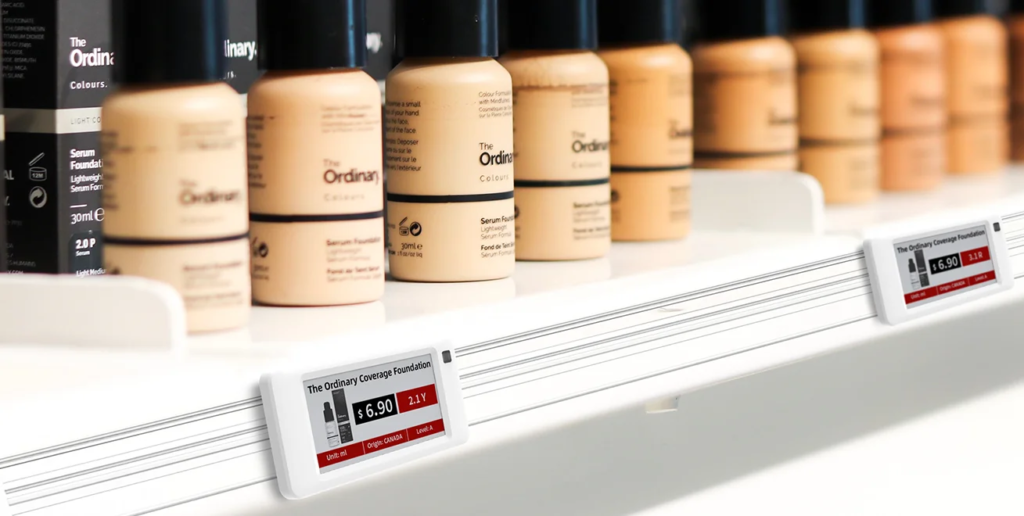
In the fast-paced world of retail, accuracy, efficiency, and customer satisfaction are more important than ever. One technology that is transforming the way retailers manage pricing and product information is the Electronic Shelf Label (ESL).
What Are Electronic Shelf Labels (ESLs)?
Electronic Shelf Labels (ESLs) are digital tags that replace traditional paper price tags on store shelves. They display real-time pricing, promotions, and product information directly to customers, often using e-paper or LCD displays. ESLs are controlled centrally through software, allowing retailers to update prices, stock levels, or promotions instantly across the store.
Key Benefits of Electronic Shelf Labels
- Real-Time Pricing Updates
ESLs enable automatic price changes, reducing human error and ensuring pricing accuracy. For promotions or flash sales, prices can be updated across all stores in minutes. - Improved Operational Efficiency
Eliminating manual label changes saves staff time and reduces operational costs. Retailers can redirect employees to customer service or merchandising. - Enhanced Customer Experience
Clear, accurate, and easily readable shelf labels improve the shopping experience. Some ESLs even display QR codes or product details for more informed purchases. - Sustainability and Cost Savings
Reducing paper use helps stores cut costs and supports eco-friendly initiatives. ESLs are a long-term investment that decreases waste and labor costs. - Dynamic Promotions and Pricing Strategies
Retailers can adjust prices dynamically to respond to market trends, competitor pricing, or stock levels, increasing profitability.
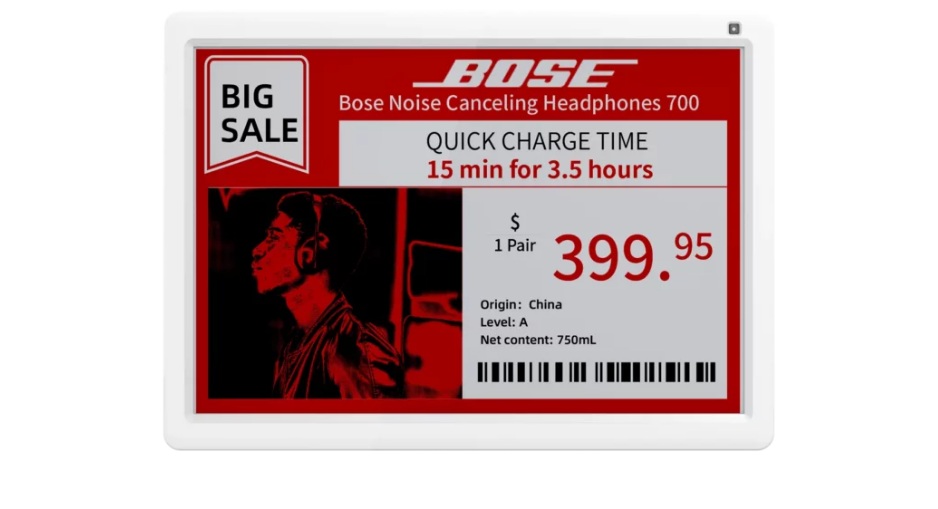
How ESLs Work
Electronic Shelf Labels communicate via wireless protocols such as Wi-Fi, Bluetooth, or Zigbee to a central management system. Retailers use a software dashboard to control all labels, schedule price changes, and push updates instantly. Advanced ESLs can even integrate with point-of-sale (POS) systems, inventory management software, and analytics tools to optimize pricing strategy.
Industries Benefiting from ESL Technology
- Supermarkets & Grocery Stores – real-time price updates for perishable goods.
- Electronics & Consumer Goods – dynamic pricing on high-demand items.
- Pharmacies & Healthcare – accurate product info and expiry dates.
- Fashion & Apparel – quick seasonal promotions and size availability updates.
Choosing the Right ESL System
When selecting an ESL solution, consider:
- Display Type: E-paper vs. LCD for visibility and energy efficiency.
- Connectivity: Wi-Fi, Zigbee, or proprietary protocols.
- Integration: Compatibility with your POS and inventory systems.
- Battery Life & Durability: Long-lasting solutions reduce maintenance.
- Software Features: Scheduling, analytics, and remote management.
The Future of Retail with ESLs
Electronic Shelf Labels are more than just digital price tags—they’re a gateway to smart retail. As stores increasingly adopt IoT and AI-powered technologies, ESLs will play a key role in dynamic pricing, inventory management, and personalized shopping experiences.
Investing in ESL technology helps retailers stay competitive, reduce costs, and improve customer satisfaction, making it a must-have for modern retail businesses.
