
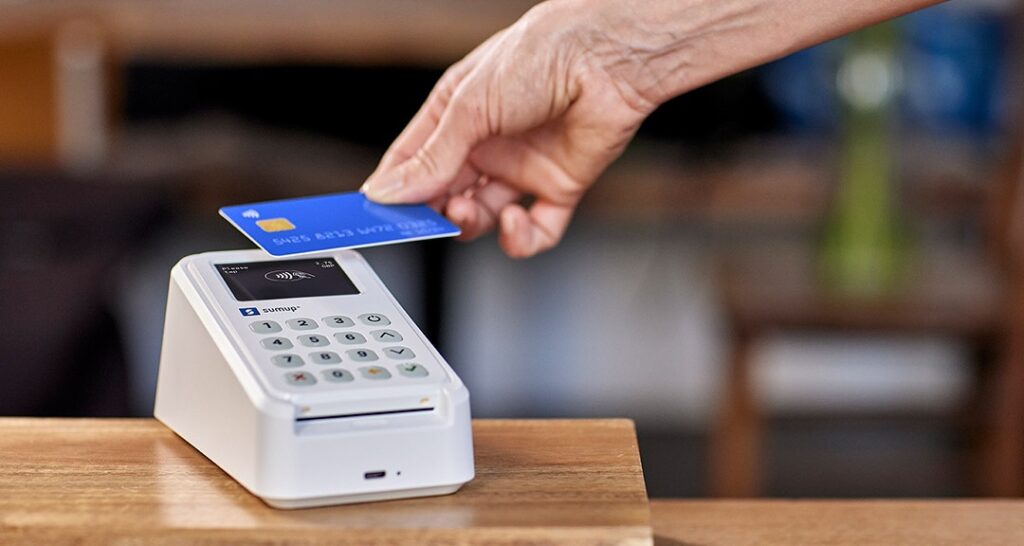
Card readers have become a fundamental part of our daily lives, from making payments at the grocery store to accessing secure buildings. But how does a card reader work? In this guide, we’ll explore the technology behind card readers, the different types available, and why understanding them is important for both consumers and businesses.
What Is a Card Reader?
A card reader is an electronic device that reads data stored on a card, such as credit cards, debit cards, ID cards, or smart cards. It transfers this data to a processing system for verification, identification, or payment purposes.
Card readers are commonly used in:
- Retail and hospitality (POS systems)
- Banking (ATMs and payment terminals)
- Security (access control systems)
- Transport (contactless fare systems)
How Does a Card Reader Work?
To understand how a card reader works, it’s important to look at the three main types of cards and how each is read:
1. Magnetic Stripe Cards
These cards store data in the magnetic stripe on the back. When swiped through a magnetic card reader:
- The reader detects the magnetic field and converts it into electrical signals.
- These signals are decoded into readable information (like card number, expiry date).
- The data is sent to the payment processor or database for validation.
2. Chip (EMV) Cards
EMV (Europay, Mastercard, and Visa) cards contain a microchip that securely encrypts user data. When inserted into a chip card reader:
- The reader powers the chip and begins a secure two-way communication.
- The chip creates a unique transaction code each time it’s used.
- This code is sent to the payment network for authentication.
- If verified, the transaction is approved.
3. Contactless (NFC) Cards
Contactless cards use Near Field Communication (NFC) technology. When tapped near an NFC reader:
- The card transmits encrypted data wirelessly using radio waves.
- The terminal verifies the transaction with the issuing bank.
- Contactless transactions are typically faster and don’t require a PIN for small amounts.
Components of a Card Reader
To answer how does a card reader work, it helps to know the internal components:
- Sensor: Reads the data (magnetic, chip, or contactless).
- Processor: Converts and processes the data.
- Interface: Connects to a POS system, computer, or terminal.
- Encryption Module: Protects sensitive data during transmission.
Why Is It Important to Understand Card Reader Technology?
Understanding how card readers work is crucial for:
- Businesses: Choosing the right card reader affects transaction speed, customer experience, and security.
- Consumers: Knowing how your card is read can help you protect against fraud.
- IT Professionals: Implementing secure payment or access systems requires detailed knowledge of reader technology.
Choosing the Right Card Reader
When selecting a card reader, consider:
- Type of transactions (in-person, mobile, contactless)
- Compatibility with existing POS systems
- Security features (PCI compliance, encryption)
- Connectivity (Bluetooth, USB, Wi-Fi)
So, how does a card reader work? Whether it’s swiping, inserting, or tapping your card, the device reads your data, communicates securely with a payment processor, and helps verify your identity or complete a transaction. Understanding this technology helps you make informed decisions and stay secure in today’s digital world.
